



In a previous article, I wrote about the importance of testing in modern data systems and how validation helps build trust in data.
But testing protects something deeper.
It protects the data pipeline.

The more exposure I gain to real-world data systems, the more I realize that many issues in data projects do not originate in machine learning models or analytics dashboards. They start much earlier; in how data is collected, transformed, and moved across systems.
In fact, a large portion of data problems are not modelling problems at all.
They are pipeline problems.
Understanding this shift, from focusing only on analysis to understanding how data flows through systems, is one of the most important lessons anyone entering the data field can learn.
The Misconception About Data Work
When people first enter the world of data, the focus is usually on things like:
- machine learning models
- statistical algorithms
- dashboards and visualisations
- predictive analytics
These are important skills, and they often receive the most attention in academic programs and online courses.
But in practice, they represent only a small portion of the entire system.
Behind every dashboard, report, or AI model is a pipeline responsible for bringing data from its original source to a usable format. If that pipeline is unreliable, everything built on top of it becomes questionable.
Even the most sophisticated model cannot compensate for poorly managed data flow.
What a Data Pipeline Actually Does

A data pipeline is responsible for moving and transforming data across different stages before it becomes usable.
Although implementations vary across organisations and platforms, most pipelines include several common stages.
Data ingestion is where raw data enters the system. This might come from operational databases, APIs, external files, or other applications.
Once ingested, the data typically goes through transformation. This stage involves cleaning, restructuring, standardising, and applying business logic to make the data consistent and meaningful.
Next comes validation, where checks are applied to ensure the data behaves as expected. This step is closely tied to the topic I explored in my previous article about data testing and trust.
After transformation and validation, the data is stored in environments such as data lakes, warehouses, or lakehouses where it can be accessed efficiently.
Finally, the processed data is served to downstream consumers; dashboards, analytics tools, or machine learning models.
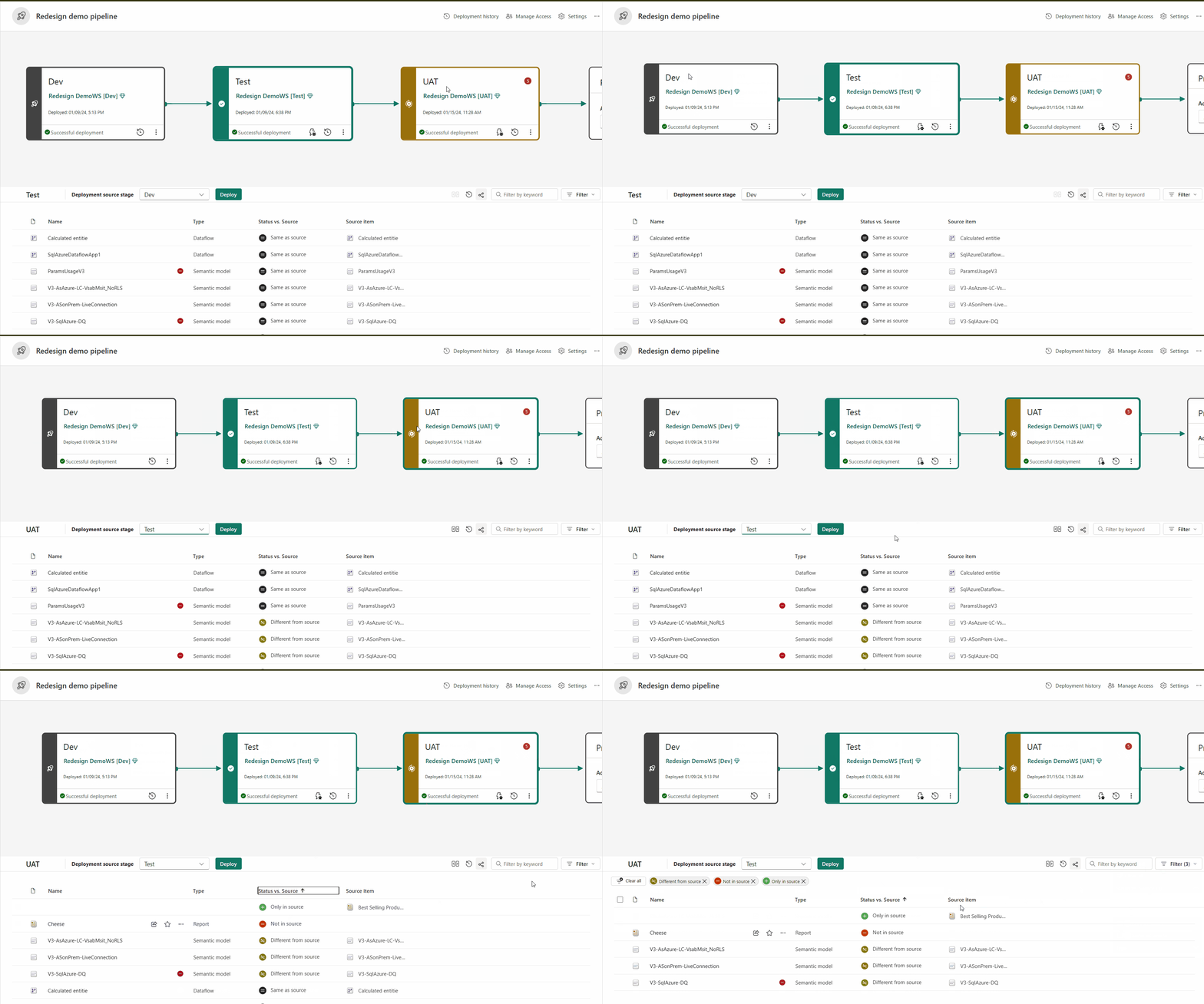
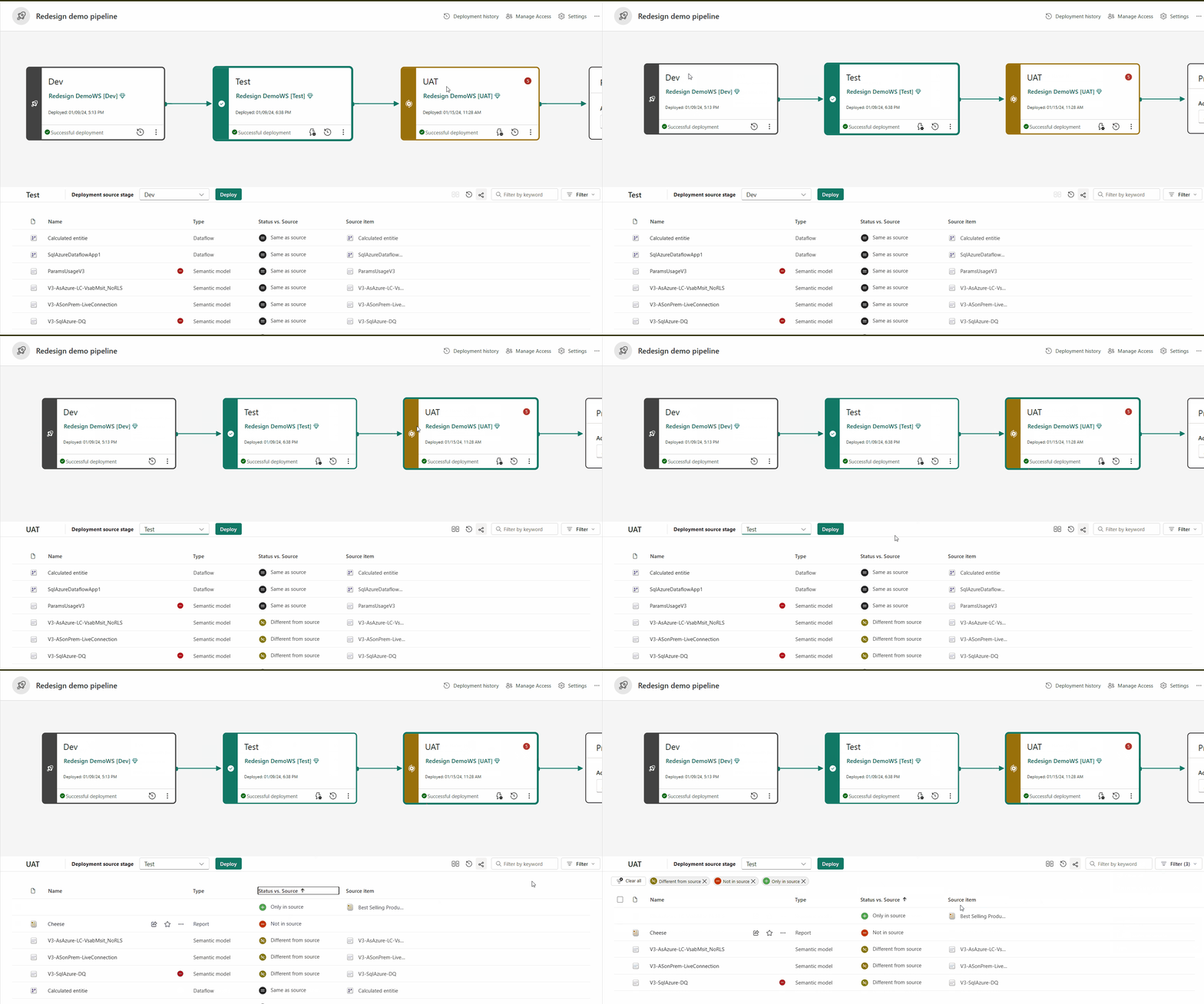
Modern cloud platforms have made it easier to design and scale such pipelines. Platforms like Microsoft Fabric integrate several components of this lifecycle, enabling data engineers and analysts to build pipelines, manage transformations, and serve analytics within a unified environment. The blog here explains ETL using MS Fabric really well.


However, building pipelines is only part of the challenge.
Maintaining them reliably is where much of the real work happens.
Where Pipelines Break
In real systems, data pipelines are rarely static. They evolve constantly as new data sources are added, schemas change, or business requirements shift.
Many common data issues originate in the pipeline itself:
- Schema changes in upstream systems
- Incorrect joins during transformations
- Missing records during ingestion
- Changes in business logic
- Inconsistencies between development and production environments
When these problems occur, they can quietly propagate through the system and affect reports, dashboards, and analytical models.
This is exactly why structured testing and validation are essential. Without them, pipeline errors may remain unnoticed until stakeholders begin questioning the numbers.
Trust in data is fragile, and pipelines play a central role in maintaining that trust.
The Shift Toward Systems Thinking
Working with real data systems gradually changes how you think about problems.