



In my previous articles, I explored different layers of modern data work, from cloud platforms and pipelines to testing, context, and decision-making.
But one question naturally follows:
What does this actually look like in practice?
Over the past few months, I’ve had the opportunity to work closely with a modern data stack; not just learning individual tools, but understanding how they come together to build reliable data systems.
What stood out most wasn’t just what tools I used, but how learning them early shaped the way I think about data.
Because in today’s data landscape, understanding the stack early can significantly accelerate your growth.
Moving Beyond Individual Tools
At the beginning of my journey, like many others, I focused on learning tools in isolation:
- Python
- SQL
- R
- Machine Learning and Deep Learning Libraries
But real-world projects quickly showed me that tools don’t exist in isolation.
They are part of a connected system.
Learning how they interact rather than just how they work individually is what truly builds understanding.
The Stack I’ve Been Working With
Over time, I’ve worked with a combination of tools and platforms that form a practical and modern data stack:
- Python for general-purpose data processing and logic
- PySpark & Spark SQL for large-scale distributed data processing
- SQL for querying, transformation, and validation
- pytest for structured testing and validation
- Microsoft Azure as the cloud foundation
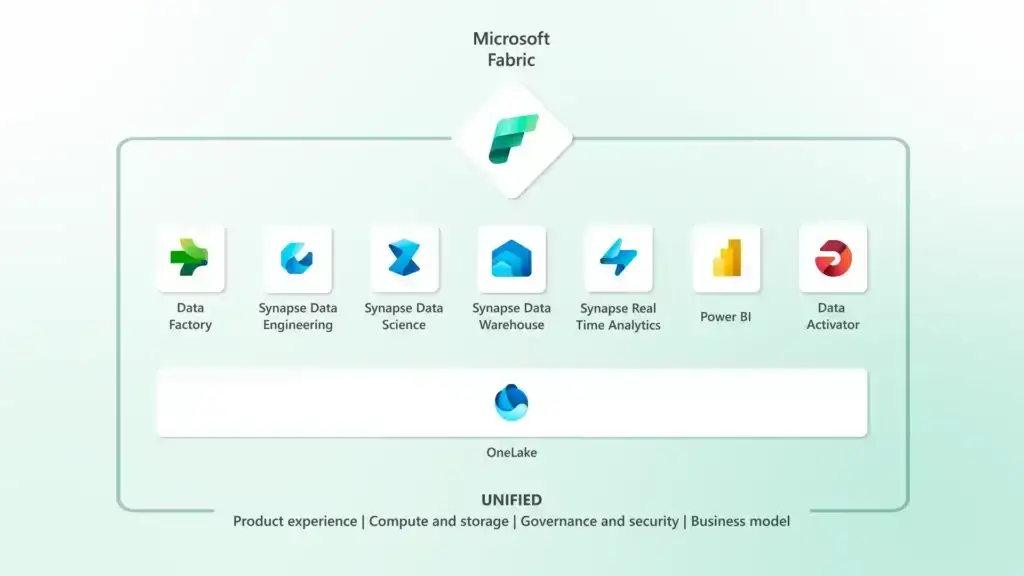
- Microsoft Fabric as an integrated data platform
- Lakehouse architecture for combining storage and analytics
Each of these plays a specific role and together, they form a system.

Why Learning These Early Matters
One of the biggest advantages of getting exposure to this stack early is understanding how real-world data systems operate.
- Thinking at Scale
Tools like PySpark and Spark SQL introduce the concept of distributed processing.
You’re no longer working with small, local datasets but you’re working with data that needs to scale across systems.
This changes how you approach performance, optimisation, and even problem-solving.
- Building Reliability from the Start
Using tools like pytest early on reinforces the importance of testing and validation.
Rather than treating testing as an afterthought, it becomes part of the workflow.
This aligns closely with real-world systems, where trust in data is critical.
- Developing a Cloud-First Mindset
Working with Microsoft Azure and Microsoft Fabric introduces a completely different way of thinking.
Data is no longer processed in isolated environments; it exists in a shared, scalable, cloud-based ecosystem.
What stood out to me while working with Azure and Fabric is how seamlessly different parts of the data lifecycle can be integrated, from ingestion to transformation to analytics, all within a unified environment.
This kind of exposure is becoming essential, as most modern data systems are built on the cloud.
- Understanding Modern Architectures
The lakehouse approach combines the flexibility of data lakes with the structure of data warehouses.
Learning this early helps you understand how modern data platforms are evolving and why organisations are shifting towards more integrated architectures.

We are in the era of AI and I am sharing this link from Serios Group who discussed the importance of architecture in in the era of AI
How to Start Learning This Stack (Without Feeling Overwhelmed)
One of the biggest challenges when approaching modern data systems is knowing where to begin.
The stack can feel complex especially with cloud platforms, distributed systems, and multiple tools involved.
What helped me was taking a step-by-step approach.
I’ve been familiar with some of the tools beforehand but this would have been my approach if I had to start learning as of now. I’ve written them in different steps but you could of course approach it the way you’d be comfortable, not necessary to follow them step by step.
Start with the fundamentals:
- Python for data processing and logic
- SQL for querying and understanding structured data
These form the foundation.
From there, move into scale and systems:
- Learn PySpark or Spark SQL to understand distributed processing
- Work with larger datasets to see how performance and structure change
Then, begin exploring the cloud:
- Start with the basics of Microsoft Azure
- Understand storage, compute, and how services interact
- Explore how data pipelines are built and managed in a cloud environment
Platforms like Microsoft Fabric make this journey easier by bringing multiple components into a single ecosystem; allowing you to experiment with ingestion, transformation, and analytics without needing to manage everything separately.
Finally, incorporate testing and best practices:
- Use tools like pytest to validate your workflows
- Focus on writing clean, maintainable code
The goal is not to master everything at once.
It’s to build a layered understanding over time.
Documentation: The Underrated Skill
One aspect that is often overlooked is documentation.
In real-world data systems, writing code is only part of the job.
Equally important is:
- documenting data flows
- explaining transformations
- defining business logic
- ensuring clarity across the team