



University gave me depth.
Real-world data project gave me perspective.
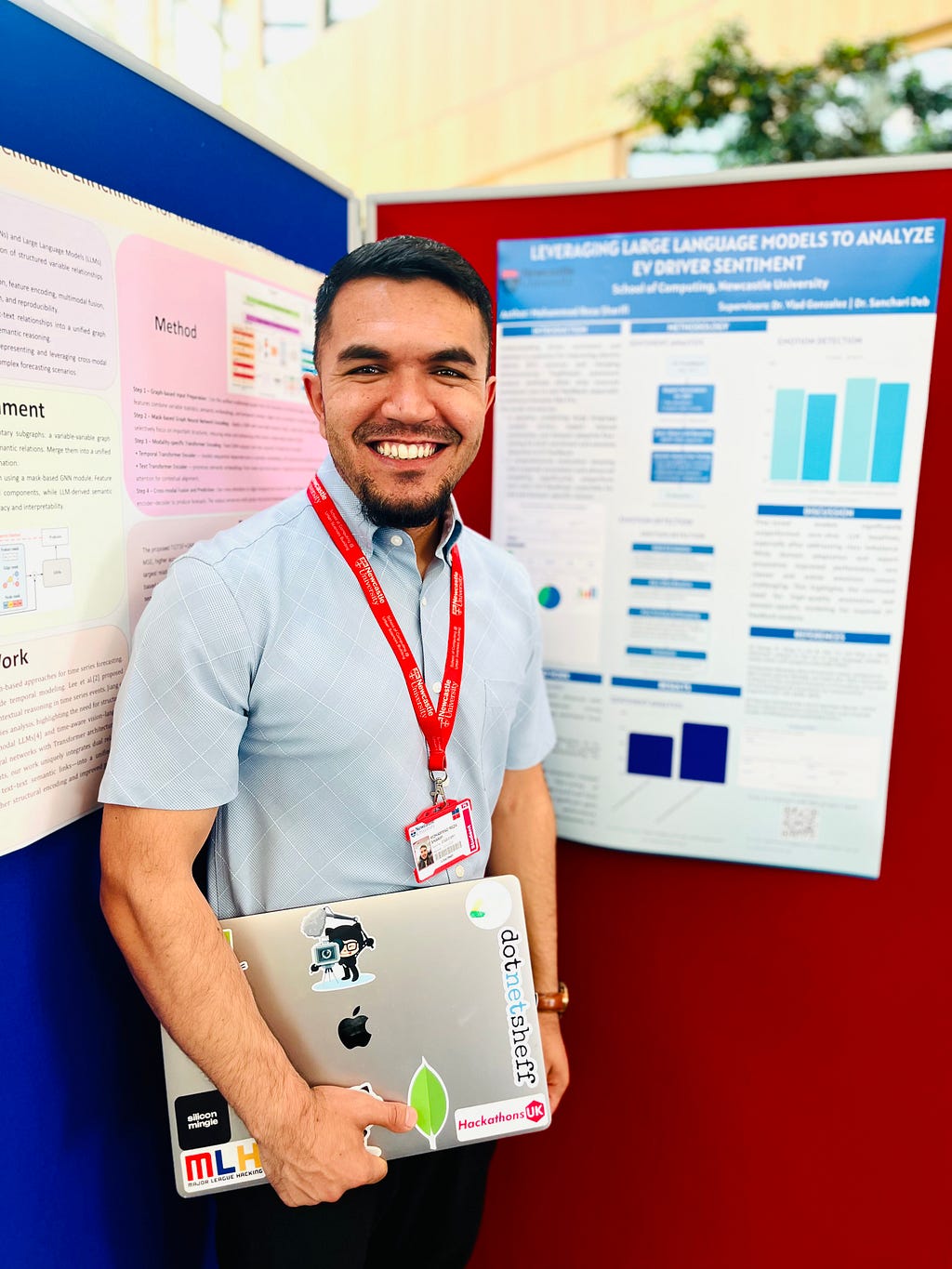
I completed two Master’s degrees; one in Computer Science at the University of Mysore, India and another in Data Science with AI at Newcastle University, UK. I learned Python, R, SQL, Web Technologies, Machine Learning, Deep Learning, NLP, EDA, and more. I wrote a thesis leveraging LLMs for Sentiment Analysis. I understood how to train models, evaluate them, and structure experiments properly.
But working on a real-world data project reshaped the way I think about data entirely.
It wasn’t about writing better code.
It was about understanding systems.
Ambiguity Is the Real Curriculum
In university, problems are structured.
In real-world projects, problems are negotiated.
Stakeholders don’t hand you clean datasets and perfectly defined objectives. Requirements evolve. Constraints shift. Business priorities change. Sometimes the real problem isn’t the one initially described.
You move from:
“How do I implement this?”
to
“What are we actually trying to solve, and under what constraints?”
That mindset shift cannot be fully simulated in coursework.
Cloud Is Not Optional; It’s Foundational
This was one of my biggest realizations.
I did take a cloud computing module at university and even worked on an assignment analysing Facebook’s data centre data. At the time, it felt academic; interesting, but distant.
Then I started working.
Everything was on the cloud.
Data pipelines. Storage. Orchestration. Monitoring. Security. AI workloads. Everything.
Modern data systems are cloud-native by default.
During my first real-world project, I gained deep exposure to Microsoft’s cloud ecosystem, particularly Microsoft Fabric for data engineering.
And that changed my perspective completely.
Cloud isn’t just about deploying resources — it’s about architecture.
Working within Fabric exposed me to:
- Lakehouse design principles
- Scalable ingestion and transformation pipelines
- Workspace governance and access control
- Separation of compute and storage
- Monitoring, logging, and cost awareness
- Designing for reliability and maintainability
At university, you optimise for correctness.
In the real world, you optimise for scalability, sustainability, and resilience.
You start asking different questions:
- What happens if this fails overnight?
- How do we ensure data lineage?
- Who owns this dataset?
- Will this scale in six months?
Looking back, I regret not focusing more deeply on cloud technologies earlier. Despite completing two advanced degrees, cloud was not emphasised as much as it should have been.
Today, I see cloud literacy not as an optional skill, but as foundational knowledge for anyone entering data or AI.

Data Governance Becomes Real
In coursework, you clean data.
At work, you inherit it.
You deal with inconsistent schemas, unclear definitions, permission layers, legacy systems, and compliance considerations.
Suddenly, governance isn’t theoretical. It’s operational.
You realise that building a model is easy compared to ensuring that the underlying data is trusted, secure, and well-defined.
Trade-Off Thinking Replaces Perfectionism
University teaches optimisation.
Real-world delivery teaches trade-offs.
- Do we prioritise speed or scalability?
- Elegance or maintainability?
- Short-term value or long-term architecture?
There is rarely a perfect solution; only responsible decisions.
Learning to think in trade-offs is one of the most important professional shifts I’ve experienced.
Communication Drives Impact
Technical skills open the door.
Communication creates impact.
The ability to explain design decisions, align stakeholders, document clearly, and collaborate across teams often determines whether a project succeeds.
The most valuable engineers and data professionals are not just strong technically — they reduce complexity for others.
AI Raises the Bar; It Doesn’t Lower It
We are living in the AI era. Code can be generated in seconds. Models can be built faster than ever.
But AI does not:
- Define business priorities
- Own architectural decisions
- Take responsibility for outcomes
- Understand organisational context